
Admit it. We all have, and will continue to do so at the worst possible moments! Luckily a simple undercut can help reduce the likelihood of it happening.
Intro
Permanently connecting two shafts is not overly challenging. An assortment of off-the-shelf couplings are available.
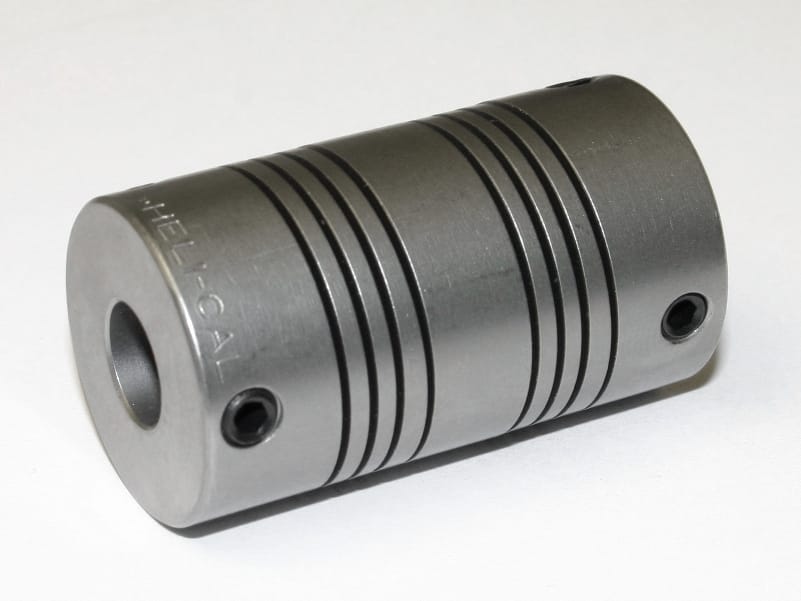
(By Helical Products – Helical Products, GFDL)
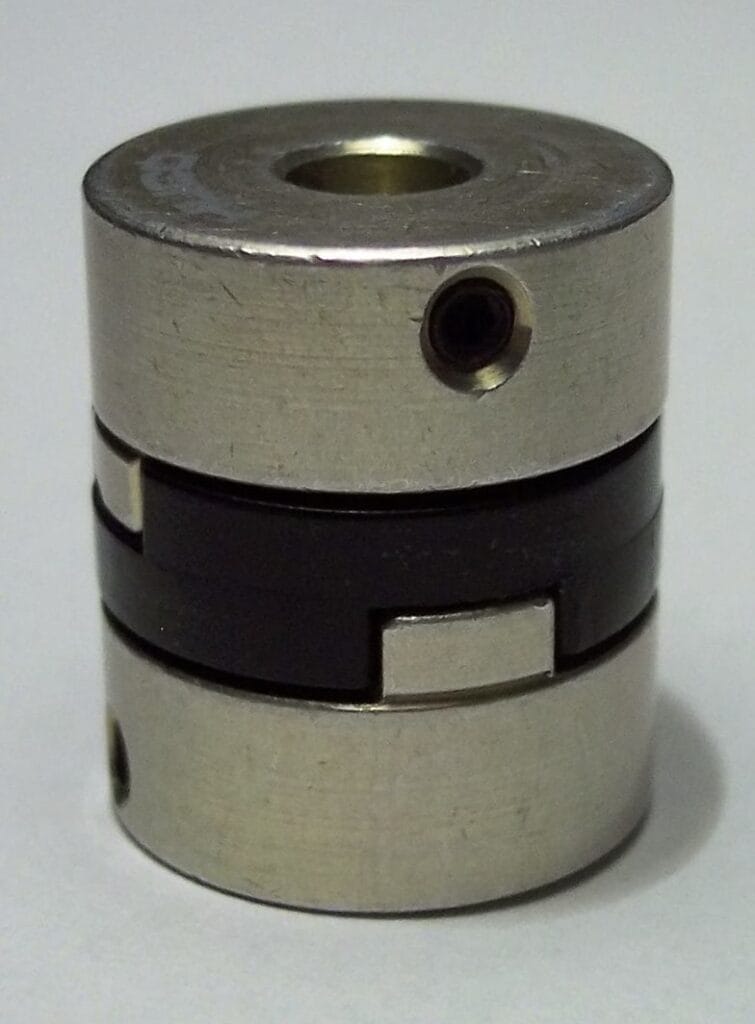
(By Hohum, CC BY-SA 3.0)
However, these couplings don’t allow for a quick toolless connection. Applications include consumer goods which have a consumable part that wears and therefore needs replacing regularly, or power tools which come with an assortment of attachments.
How about copying how a spanner engages with a nut? Or how a hex key engages with a socket screw?

Whilst acceptable for low torque applications, there is a nuance you should be aware of…
Problem: Shear stress at the corners
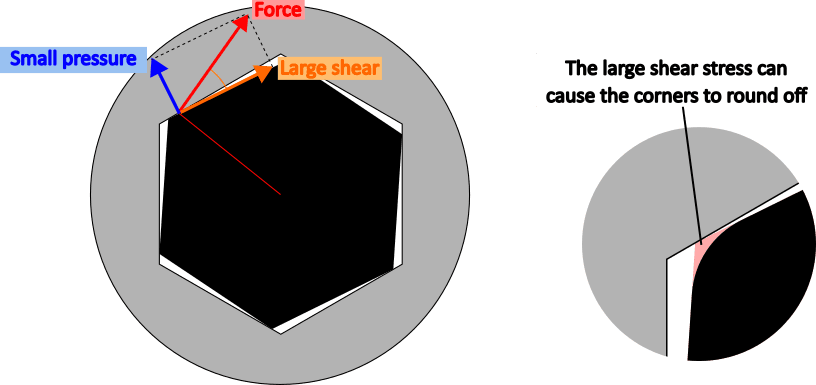
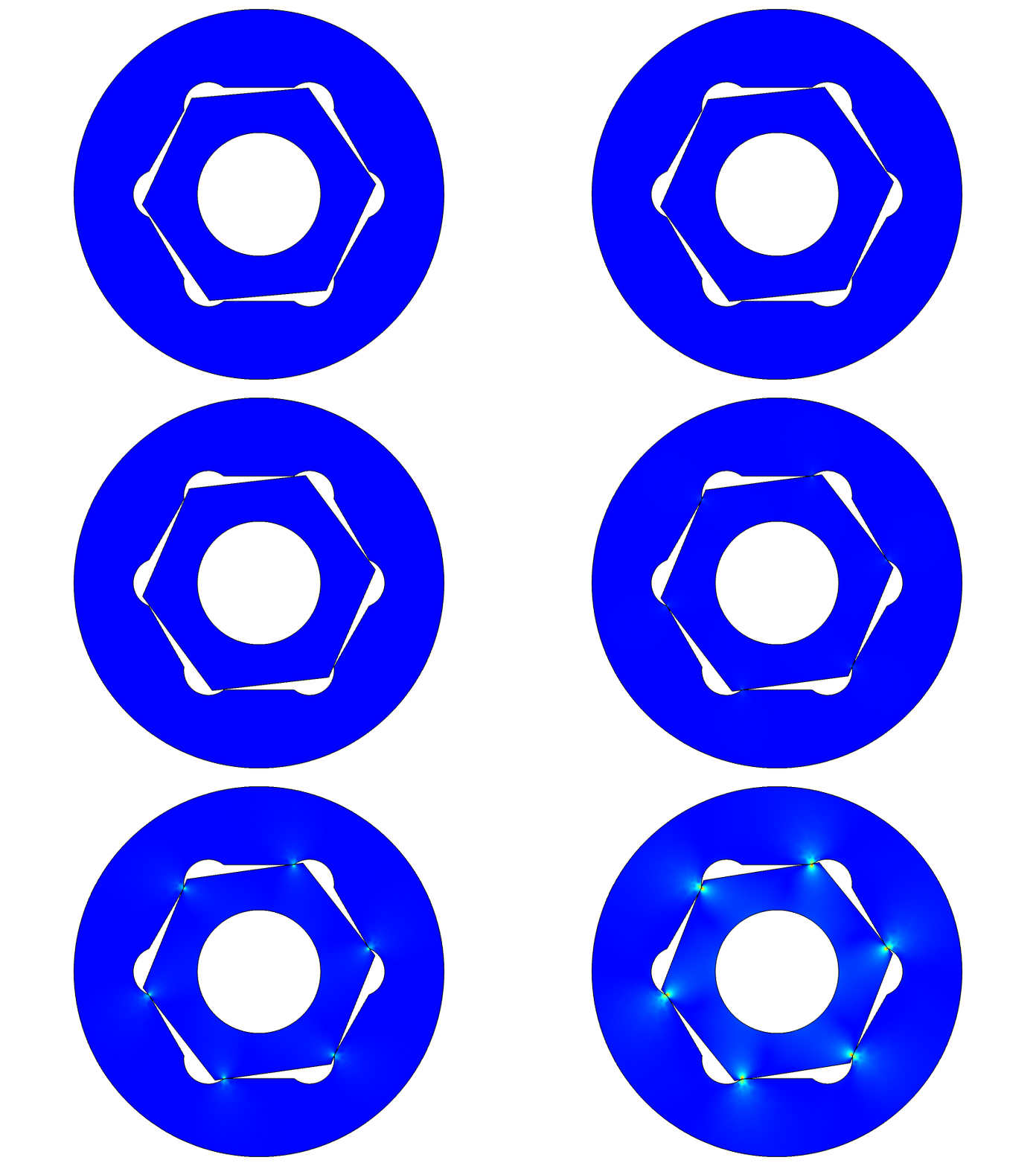
This shape will result in most of the torque being transferred through large shear stresses at the corners, which can result in the corners rounding off.
At best, some deformation will reduce the life of your coupling, and at worse, significant wear could result in poor engagement, or even the shaft/socket completely rounding off.
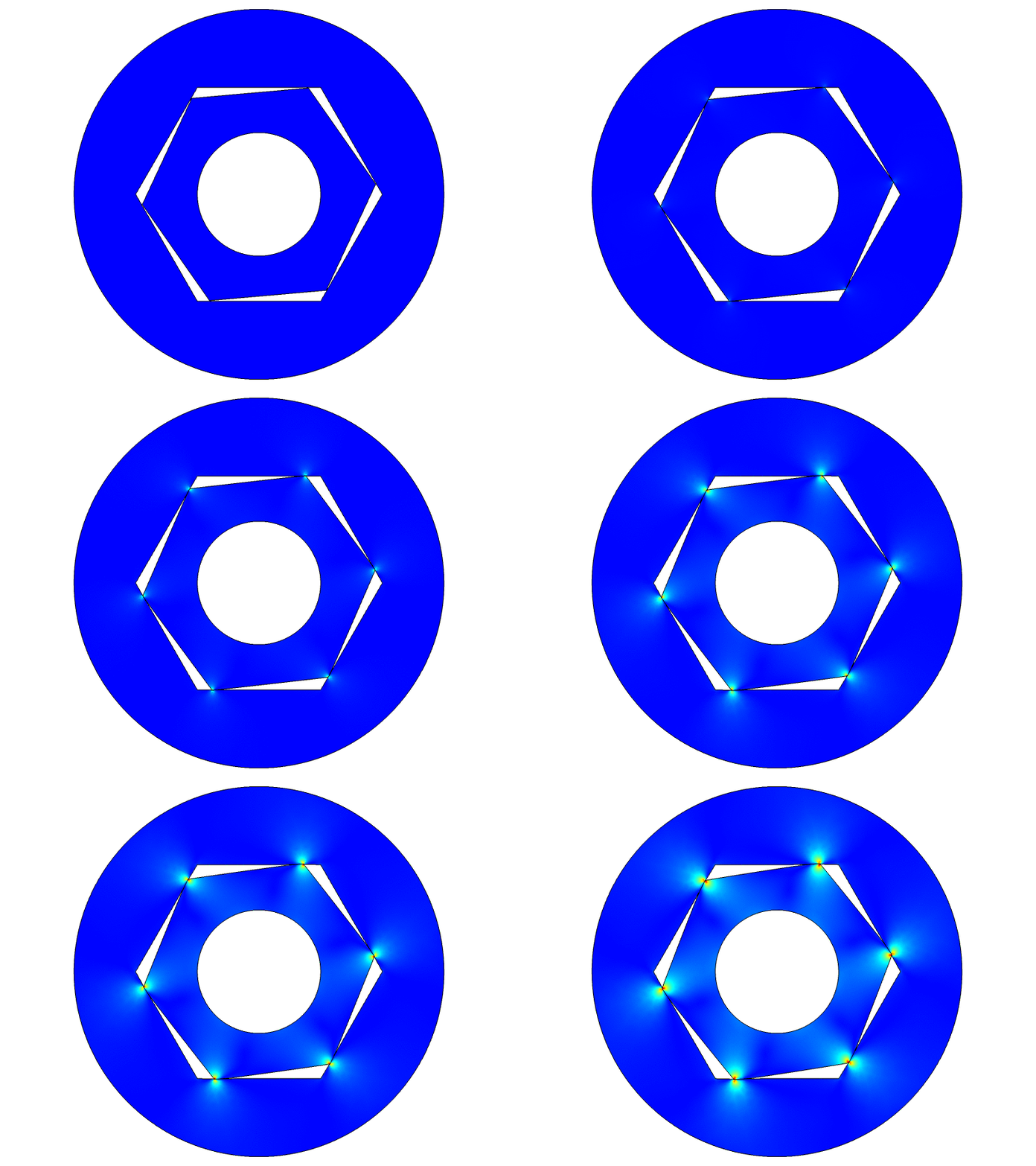

Solution: Add undercuts
Luckily the solution is easy! Add a small undercut (or corner relief) to the corners of your socket. The stress is only high locally at the point of contact, so as long as your undercut moves the point of contact so it misses the very corners, even by a small amount, you significantly minimise the risk of damage to the corners without significantly reducing the moment arm.

You can see these undercuts for yourself if you peer closely at a typical socket. They don’t need to be very big.
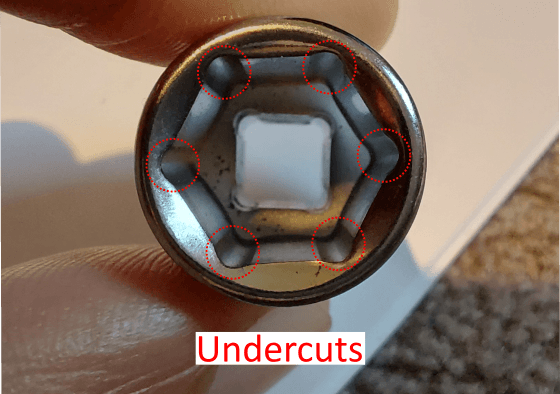
They are not for manufacturability as sockets tend to be forged rather than machined.
Philips OneBlade
I had a quick root around my room to find another example of this design feature being used in the real world. Lo and behold, you can clearly see the undercuts used to make the coupling more robust on my Philips OneBlade.
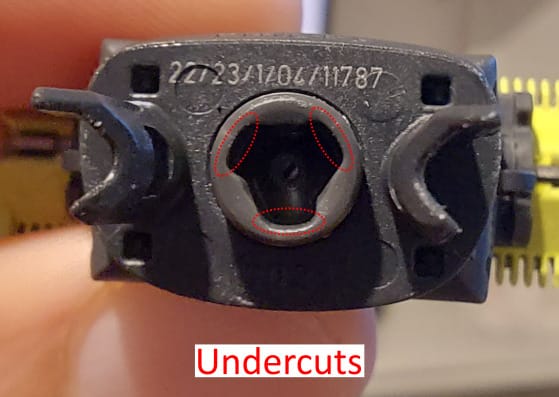
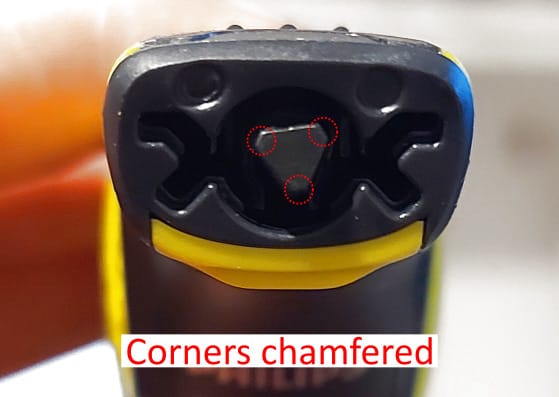
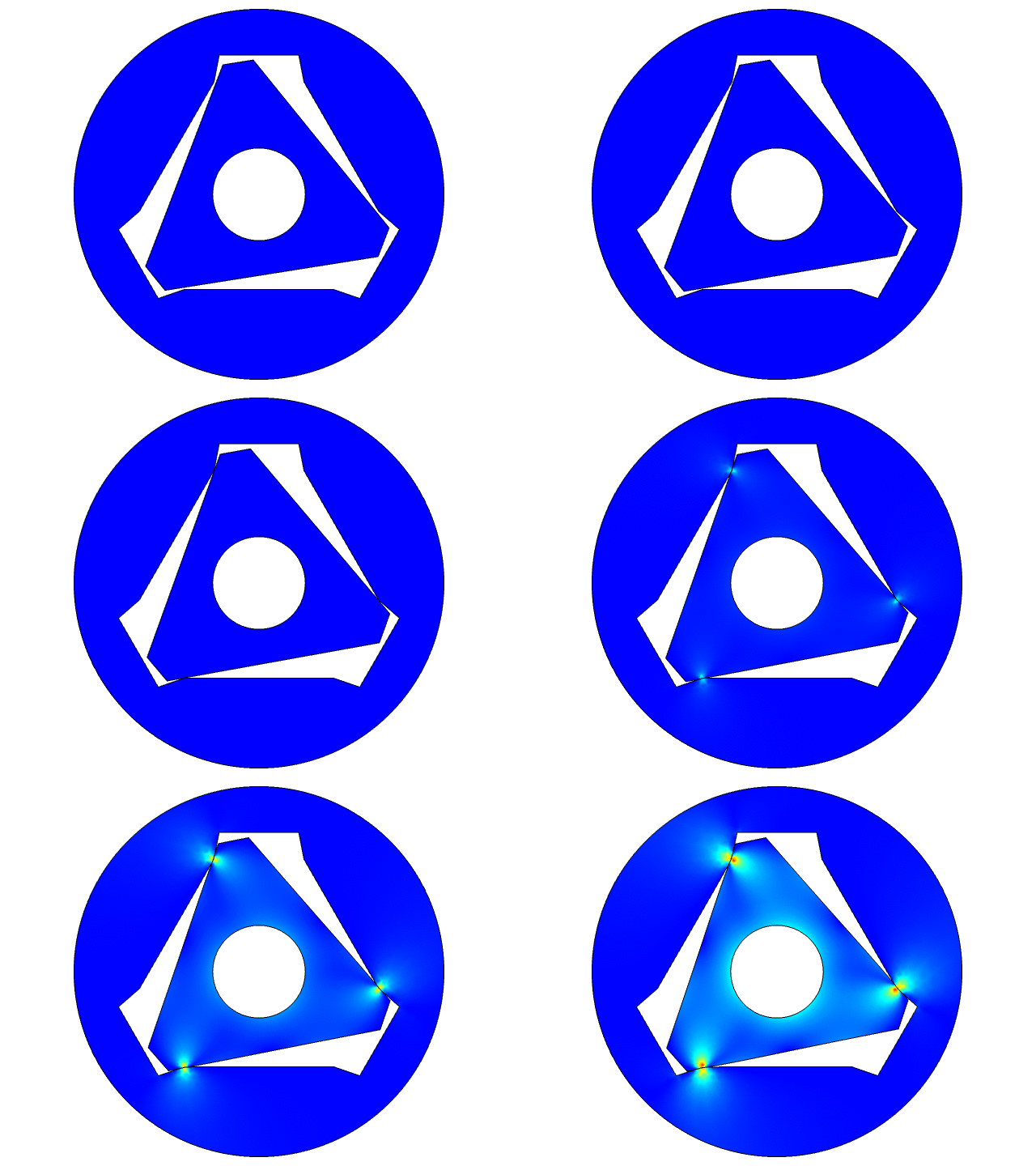
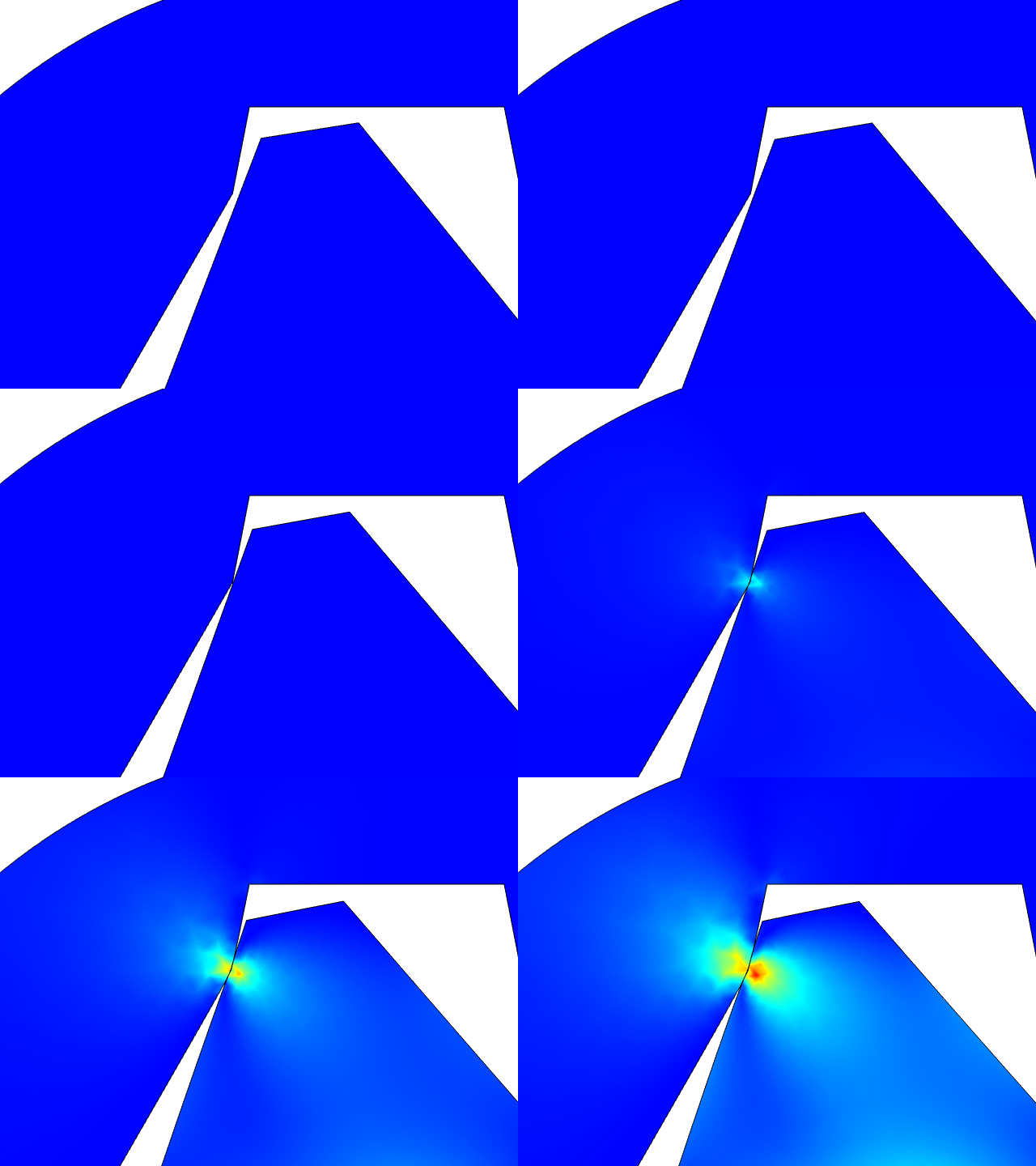
In summary, adding undercuts at internal corners is an easy way of making this type of coupling more robust.
Torx > most drive methods
On that note…
- Ever had to press down really hard when driving a screw into wood to prevent the driver from camming out?
- Ever rounded off a hex-type socket screw, especially when it’s tiny and you just can’t quite tighten it up enough?
Use Torx (aka. Hexalobular) to avoid these problems! Its spur gear shape results in more of the torque being transferred through contact pressure rather than shear. I opt for Torx drive bolts wherever possible.
